Independent Technical Reference & Decision Documentation
Comping Methodology

Spoken Word Voiceover Comping Protocol

Technical framework for assembling transparent spoken word narration, balancing natural respiratory pauses with surgical room tone management and phoneme continuity.

2026-10-09
Sarah Lin
9 min read
Spoken Word & Dialogue
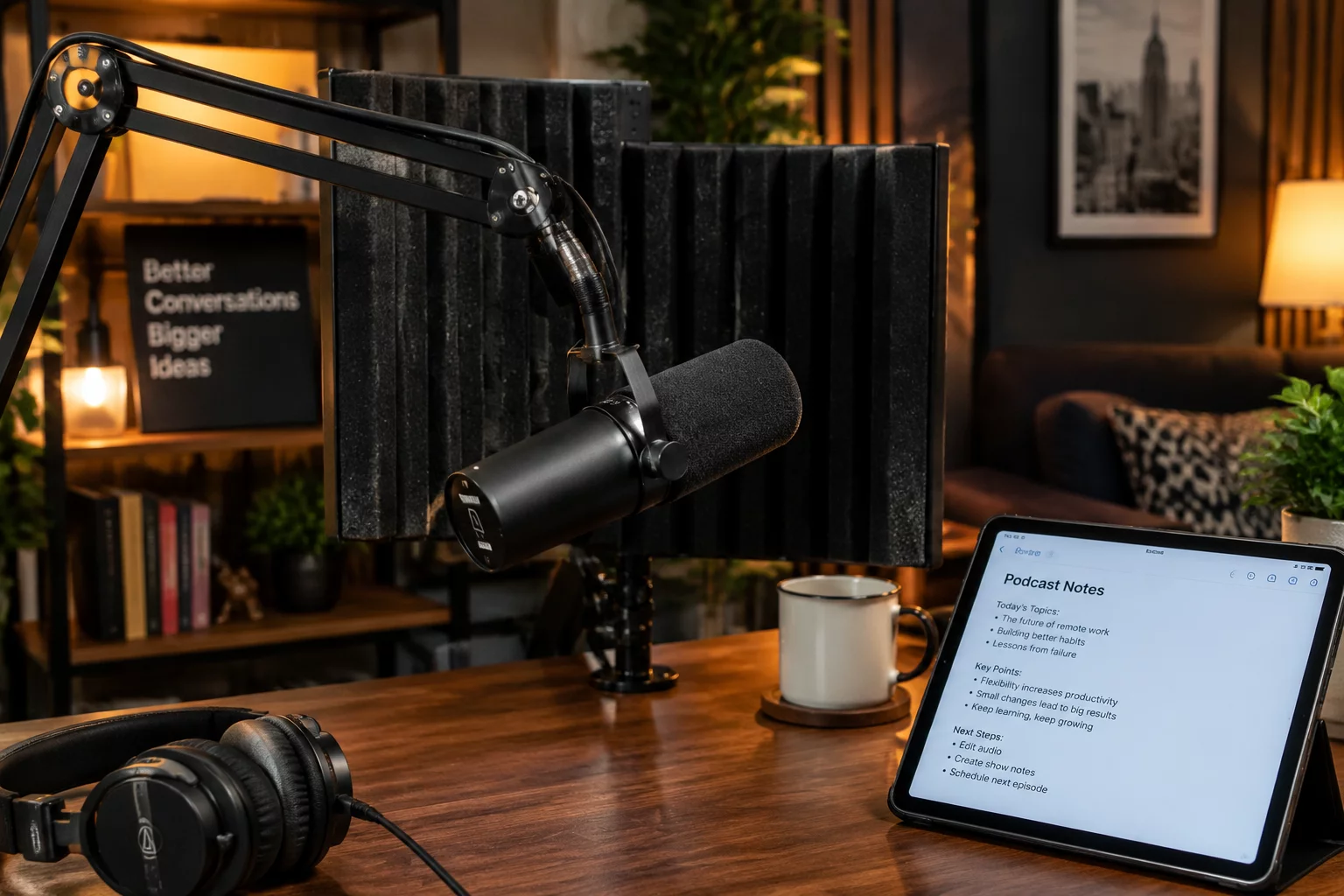
Broadcast microphone on articulating arm with tablet script stand in recording studio
Voiceover Protocol Studio tracking setup with acoustic reflection screening and script reference stand.
Room Tone Floor: -58 dBFS Crossfade Slope: 10 ms Equal Power Pre-Plosive Buffer: 25 ms Breath Preservation: Natural Envelope Sibilance Variance: Max ±1.5 dB
Core Editorial Parameters

Audio Verification Points for Spoken Takes

Pre-Inhalation Acoustic Context

Inhalations preceding narrative statements establish pacing and conversational intent. Editors must never slice breaths abruptly or replace them with synthetic digital silence, which triggers auditory shock in closed headphones.

Sibilance and Consonantal Alignment

Comping mid-sentence between takes requires matching unvoiced fricatives like 's', 'sh', and 'f'. Variations in head orientation relative to the capsule alter top-end air frequencies across separate takes.

Room Tone Continuity Bed

Room tone must span under all cuts as an unbroken substrate. When cutting between disparate sentences, paste room tone slices under zero-crossing points rather than leaving dead timeline space.

Fundamental Pitch Drift & Cadence

Voice actors shift pitch across long reading sessions as vocal cords warm or fatigue. Stitching phrase beginnings from early takes into endings from later takes risks unnatural intonational inflection jumps.

Micro-Edit Crossfade Shaping

Splices placed before hard plosives ('p', 'b', 't') require 8 to 15 millisecond crossfades placed inside silence pockets. Splicing across active vowel formants must follow zero-crossing alignments.

Dynamic Pacing & Inter-Phrase Meter

Pacing reveals emotional posture. Sentence spacing must retain physiological breathing logic. Artificially condensing pauses to accelerate duration destroys dramatic subtext and narrator authority.

Spoken Dialogue Comping Standard Operating Principles

  • Anchor edits to natural speech pauses, pre-breath gaps, or unvoiced consonant closures rather than sustained vowel bodies.
  • Keep continuous ambient room tone running on a secondary track or nested playlist beneath all razor cuts to eliminate noise pumping.
  • Retain genuine physiological inhalations at approximately 40% of peak speech amplitude to preserve narrator credibility and human rhythm.
  • Crosscheck composite takes with flat response reference headphones to detect phase cancellation and room resonance discontinuities.

Managing Respiratory Pauses and Zero-Crossing Splices

Comping spoken voice tracks differs fundamentally from musical vocal editing because spoken narration lacks instrumental masking. Every subtle room reflection, mouth transient, and respiratory cadence sits bare in the mix. In voiceover production, editors frequently encounter takes with distinct energetic readings. Splicing words across takes demands precision: place cuts right at the onset of plosive bursts or inside quiet phoneme closures. Splicing across open vowels creates immediate phase and timber mismatches that betray the edit.

“A clean spoken comp is completely transparent; the moment a listener detects the editor's hand, the storyteller's authority dissolves.”

— Sarah Lin, Voiceover Editorial Lead

Mitigating Room Tone Variations and Head Proximity Shifts

Voice talents naturally adjust posture across multiple takes. Even a slight two-inch retreat from a cardioid condenser alters low-frequency proximity effect and shifts the balance between direct signal and ambient room tone. When assembling the master playlist, compare the low-mid resonance of candidate syllables. If one take carries noticeably more chest resonance due to tight proximity, level matching alone cannot resolve the boundary.

To eliminate abrupt floor noise shifts, engineers lay down continuous, uncolored room ambience captured in the tracking booth before the session. Crossfades must extend symmetrically between five and twelve milliseconds. Applying equal-power crossfades at true zero-crossings suppresses audible clicks, while continuous room wash bridges the acoustic transition seamlessly.

Editorial Queries

Technical Dialogue Comping FAQs

Position cuts inside unvoiced stop consonants such as 'k', 'p', or 't', or within short pre-phrase silent pauses. Avoid cutting through sustained vowel formants, as tonal shifts and phase discrepancies become immediately audible.

Retain natural breaths to uphold authentic vocal delivery and pacing. If a breath sounds overly loud or distracting due to compression, reduce its clip gain by 3 to 6 dB rather than deleting it or replacing it with digital silence.

Lay a dedicated room tone bed on an underlying auxiliary playlist track. Apply smooth 10 to 15 millisecond crossfades, and gently roll off extreme low frequencies below 40 Hz where mechanical HVAC noise might fluctuate between takes.

Sarah Lin

Senior Voice & Dialogue Editor

Sarah Lin is an audio engineer specializing in audiobook mastering, documentary narration comping, and voiceover post-production workflows with over a decade of DAW editorial experience.

Explore Comparative Vocal & Dialogue Takes

Review our benchmark comping files, timeline playlist breakdowns, and workstation performance evaluations across high-profile dialogue productions.