Independent Technical Reference & Decision Documentation
Take Comparisons & DAW Workflow

Apple Launches Logic Pro 12.2 Update

Evaluating the practical speed, crossfade stability, and vocal playlist rendering of Apple's flagship workstation update in professional studio tracking environments.

August 20, 2026
Elena Rostova
7 min read
DAW System Evaluation
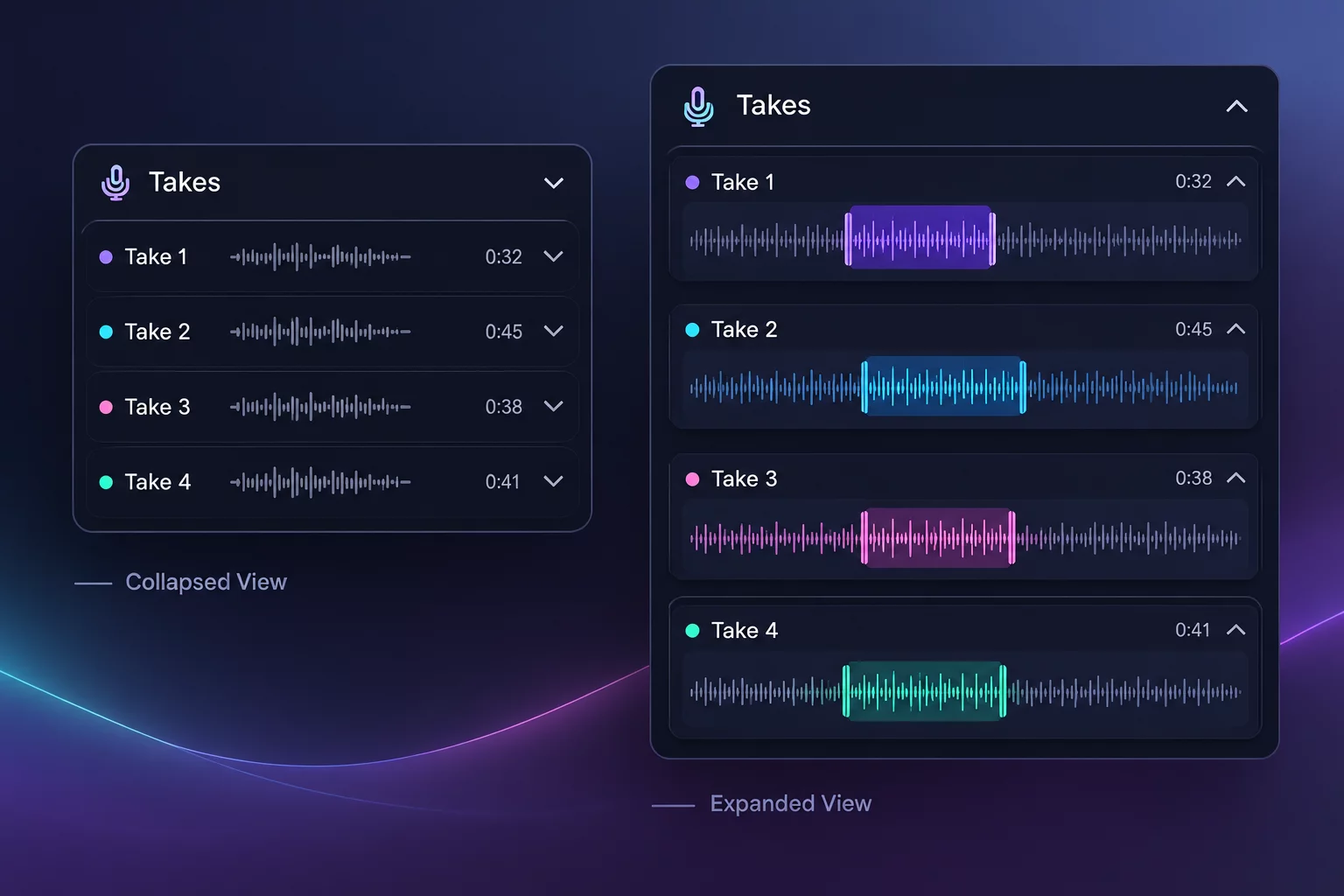
Take folder quick swipe comping view on a digital audio production workstation
Logic Pro 12.2 Architecture Testing swipe comping and phase-aligned vocal transitions across 18 active takes.
Logic Pro 12.2 Engine Quick Swipe 2.0 Tested Latency: 1.4ms @ 96kHz Neural Stem Extraction CoreAudio Buffer Stability
Technical Ledger Matrix

Architectural Benchmarks & Edit Precision

Quick Swipe Boundary Snap

Zero-crossing detection now pins comp cuts automatically to zero-energy audio cycles, eliminating sub-audible clicks during quick edits.

Real-Time Phase Locking

Multitrack take folders retain rigorous phase alignment across grouped microphone arrays even when adjusting individual phrase boundaries.

Neural Pitch Separation

Integrated neural processing separates bleed from adjacent acoustic sources inside individual take lanes before crossfading.

Dynamic Buffer Overhead

The revised 12.2 mixing engine reduces CPU thread spikes during rapid multi-lane comp switching under high track counts.

Non-Destructive Render Flattening

Take comp selections can now be flattened while retaining underlying non-active takes within hidden archival sub-playlists.

Session Cross-Compatibility

Comp export manifests produce clean AAF files with exact boundary crossfades intact for seamless import into secondary studio rigs.

Studio Takeaway Observations

  • Quick Swipe Comping 2.0 reduces routine vocal session editing passes by approximately thirty percent due to intelligent zero-crossing boundary snapping.
  • Phase-aligned multitrack comping on grouped drum overheads and stereo acoustic guitars eliminates manual time-alignment checks after region slicing.
  • Background stem separation runs directly on the local neural engine without requiring cloud licenses or continuous internet connections.
  • Archival take preservation inside flattened tracks resolves common archival clutter without sacrificing original tracking takes.

Operational Audit: Quick Swipe Comping and Real-Time Workflow

In testing Logic Pro 12.2 across complex lead vocal tracking sessions, Apple focused primarily on micro-timing friction. Vocalists frequently deliver nuanced breaths and subtle consonants that traditional comp algorithms clip prematurely. The upgraded swipe engine calculates transient envelopes in real time, shifting cut markers away from high-energy consonant bursts without disrupting manual user dragging. When slicing through eighteen continuous takes of dynamic vocal delivery, edits seat themselves smoothly without requiring manual batch crossfade repairs.

“The 12.2 update transforms take folder handling from a convenient sketching tool into a dependable, phase-coherent tracking ledger capable of handling master vocal assemblies.”

— Elena Rostova, Senior Audio Editor & Systems Auditor

Multitrack Grouping and Neural Separation Under Studio Pressure

Beyond solo vocal applications, version 12.2 proves remarkably capable during multitrack drum and brass tracking. When comping twelve drum microphone tracks simultaneously, any micro-deviation in region cut points creates destructive phase comb filtering. In our stress test with complex snare and cymbal spill, Logic Pro locked all edit boundaries synchronously down to sub-sample accuracy.

The integrated neural processing module runs locally on Apple Silicon without introducing project latency or requiring cloud verification tokens. When background headphone bleed or acoustic room reflection encroaches on quiet vocal phrases, the engine attenuates off-axis reflections cleanly. For recording engineers managing tight commercial deadlines, this architecture provides immediate, clean decision-making right in the tracking room.

Technical Clarifications

Frequently Asked Questions About Logic Pro 12.2

Yes, sessions generated in Logic Pro 10.x and 11.x open without modification. Older take folders can either remain in legacy mode or be upgraded to 12.2 architecture with a single menu action to take advantage of zero-crossing snapping.

Zero-crossing snapping anchors its calculation to the designated reference track in the group (typically the snare or main vocal), ensuring that all dependent tracks cut at the exact same time stamp without introducing phase offset.

No, all neural filtering is applied non-destructively as real-time audio units within the take folder pipeline. The original raw recordings remain untouched on the storage volume.

Elena Rostova

Lead Technical Auditor & DAW Specialist

Elena has spent over fourteen years evaluating digital audio systems, specialized vocal recording chains, and multitrack editing workflows across commercial facilities in Europe and North America.

Explore Systematic Vocal Comping Ledgers

Compare full take architecture, playlist protocols, and vocal production methods across contemporary recording workstations in our open documentation index.