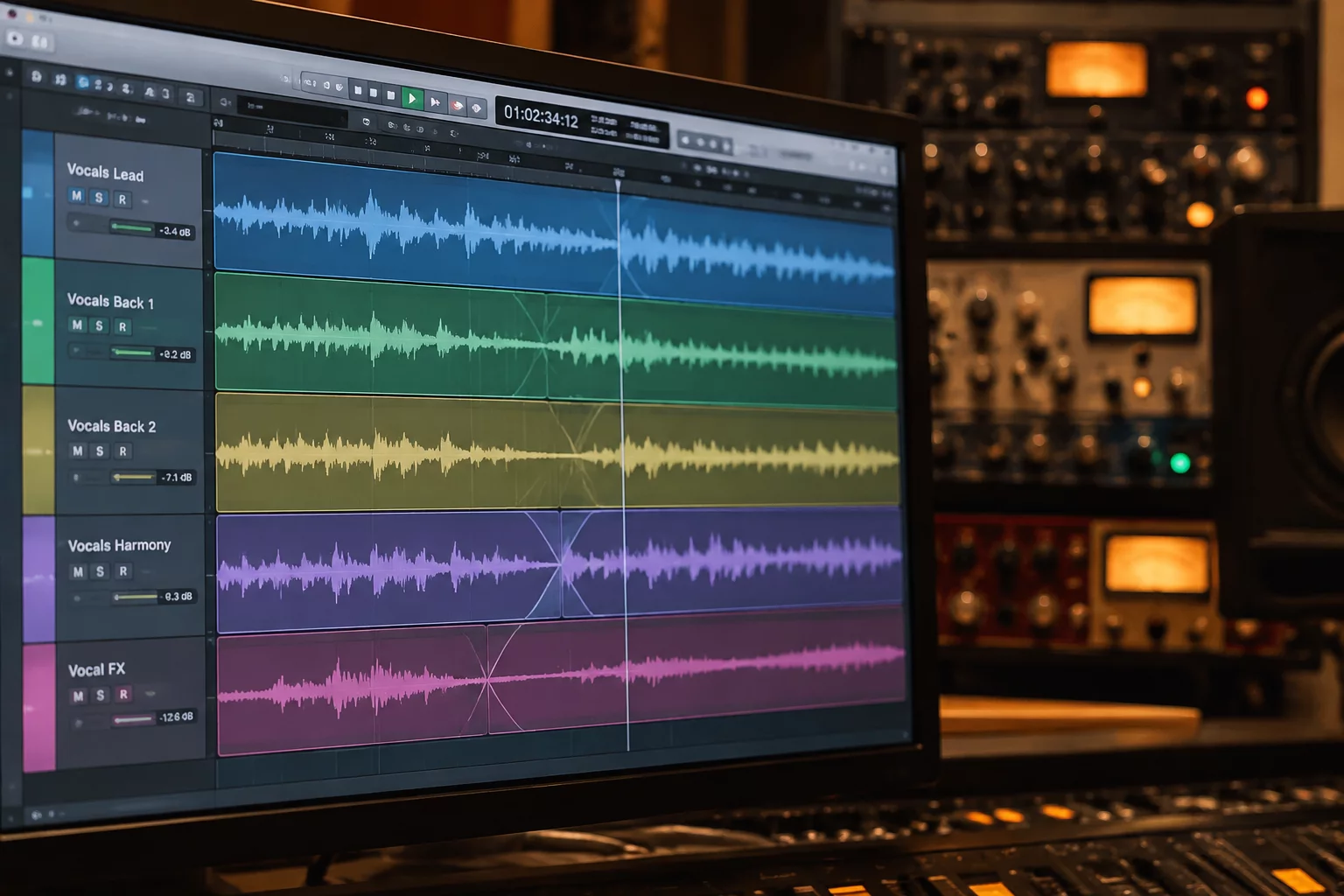
Vocal Comping
Lead Vocal Take Architecture Ledger
Documented crossfade placements balancing breath cadence, sibilance preservation, and dynamic chorus lifts.
Explore recording cases about alternate takes, phrase selection, performance consistency, edit decisions, and comp notes.
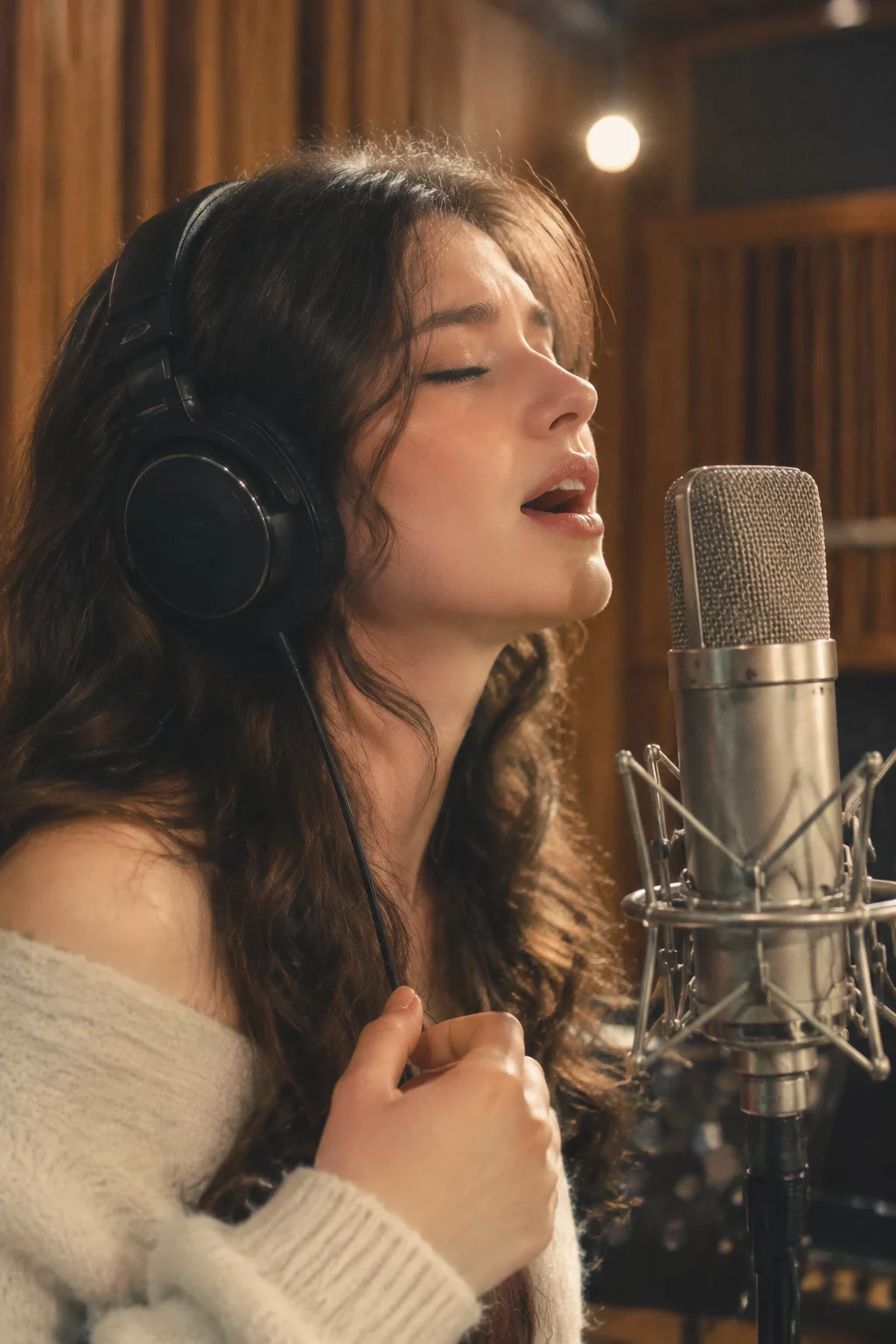
Vocal comping documented through forensic audio characteristics rather than arbitrary score metrics. Follow the structured progression from raw capture to archival selection.
We do not score "95% vocal quality"; we record observable editorial reasons.
Detailed technical analyses of multi-source comping selections, phase consistency checkpoints, and structural take assemblies from our editorial archives.
Documented crossfade placements balancing breath cadence, sibilance preservation, and dynamic chorus lifts.
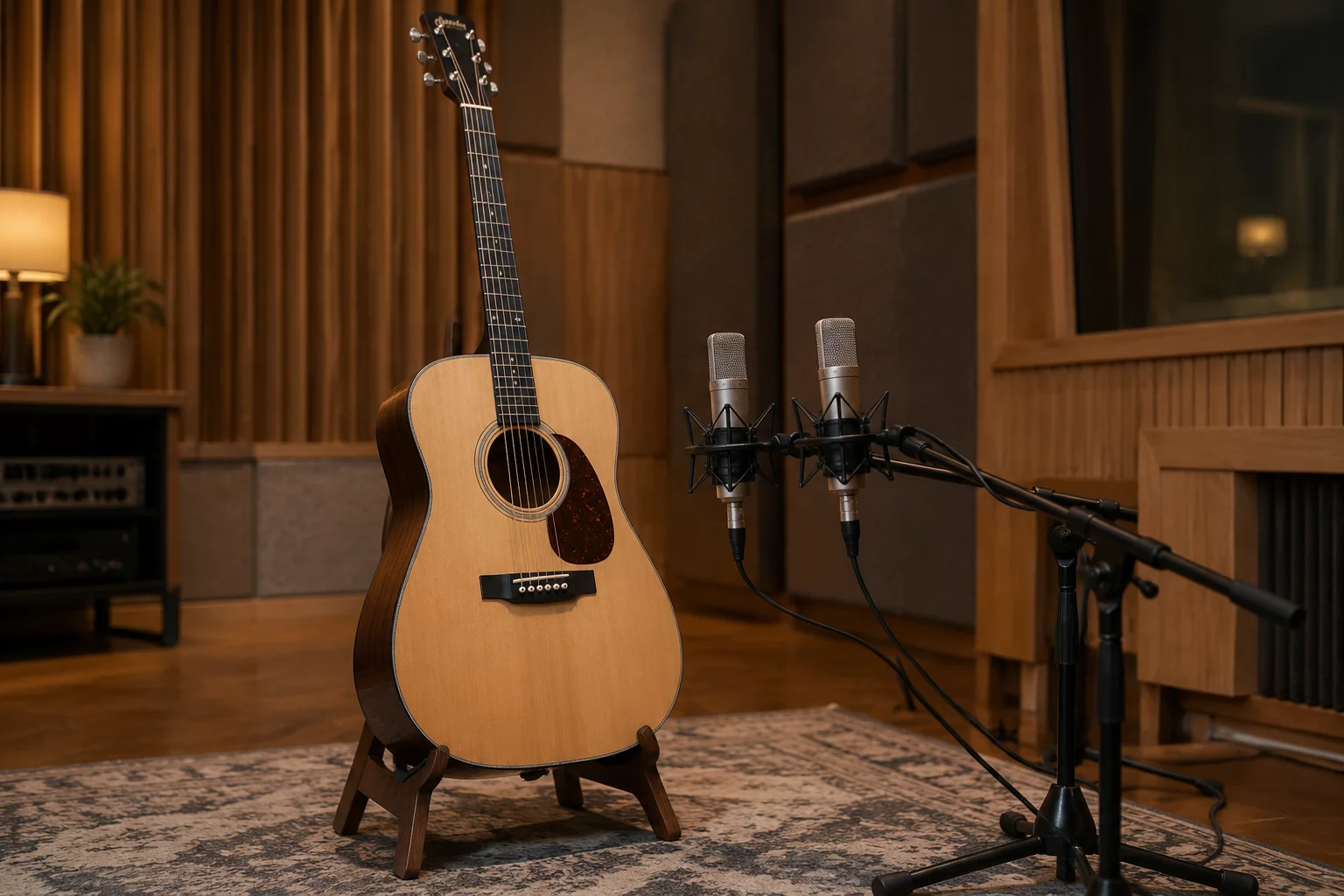
Aligning stereo microphone pairs across disparate takes while maintaining fretboard transient attack.
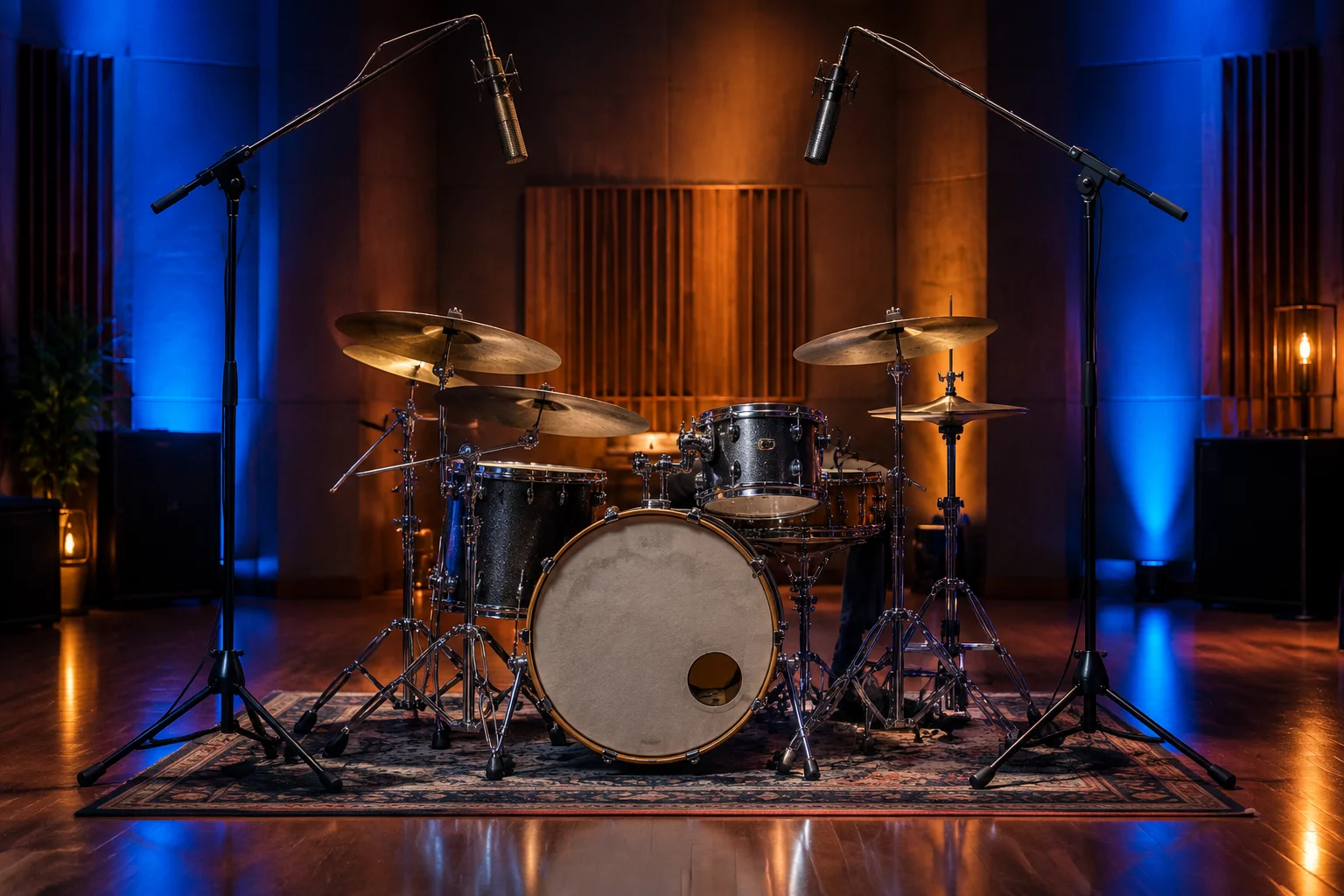
Cymbal wash decay tracking and zero-crossing split selections across high-energy rhythm section takes.
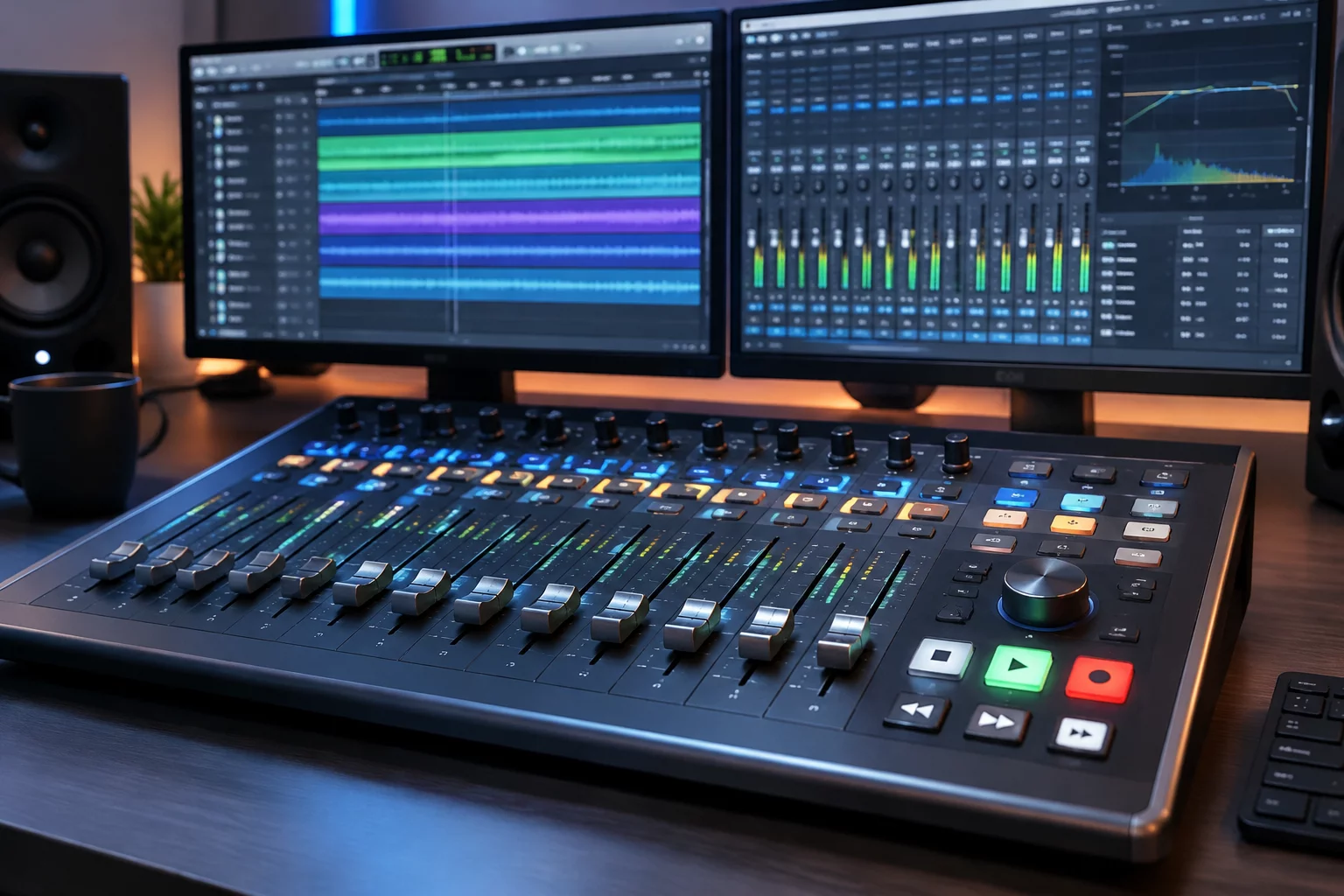
Room acoustic decay matching and consonant onset masking for imperceptible mid-bar punch-in segments.
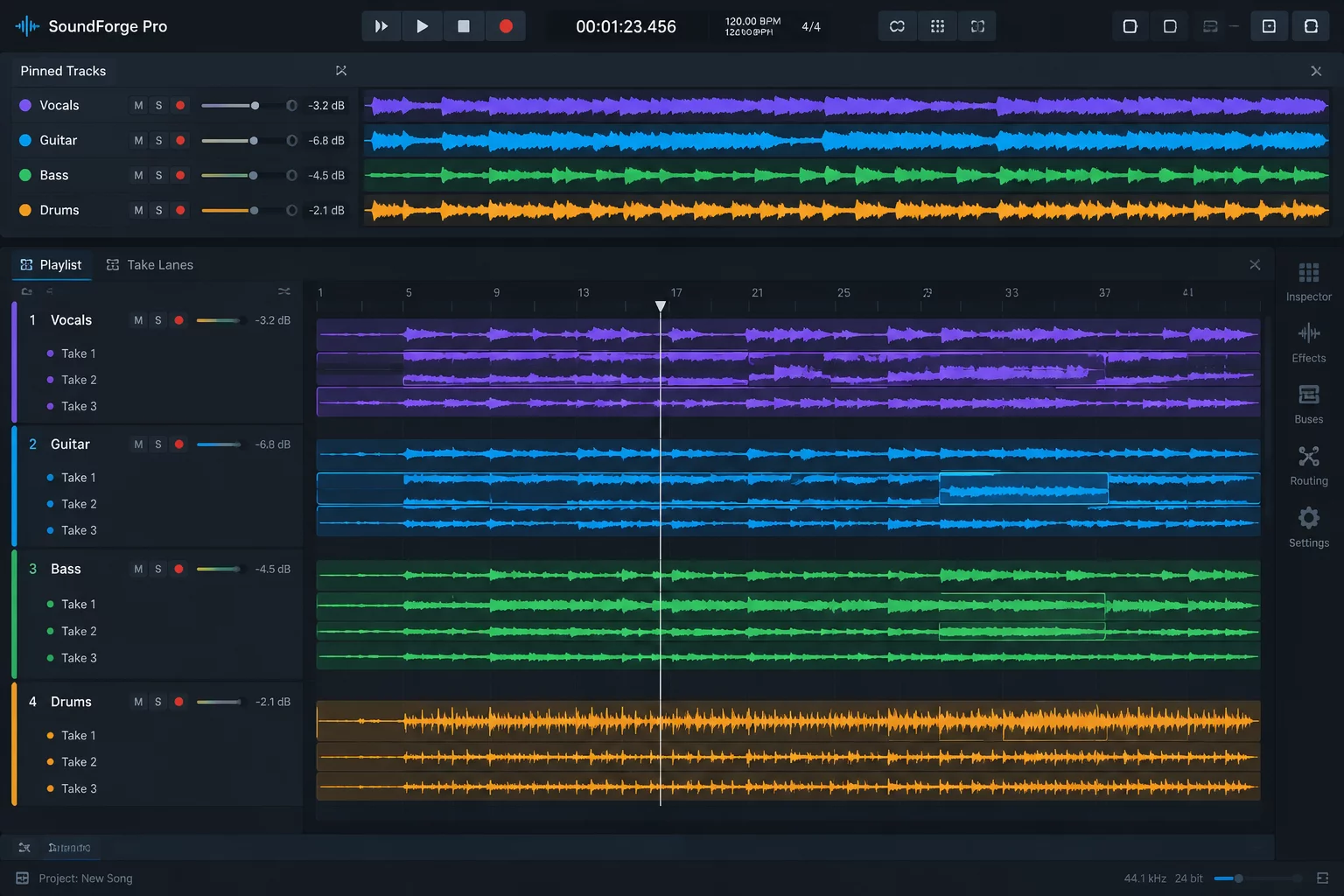
Technical evaluation of persistent anchor tracks, lane locking protocols, and comparative comping speed improvements across high-count session playlists.
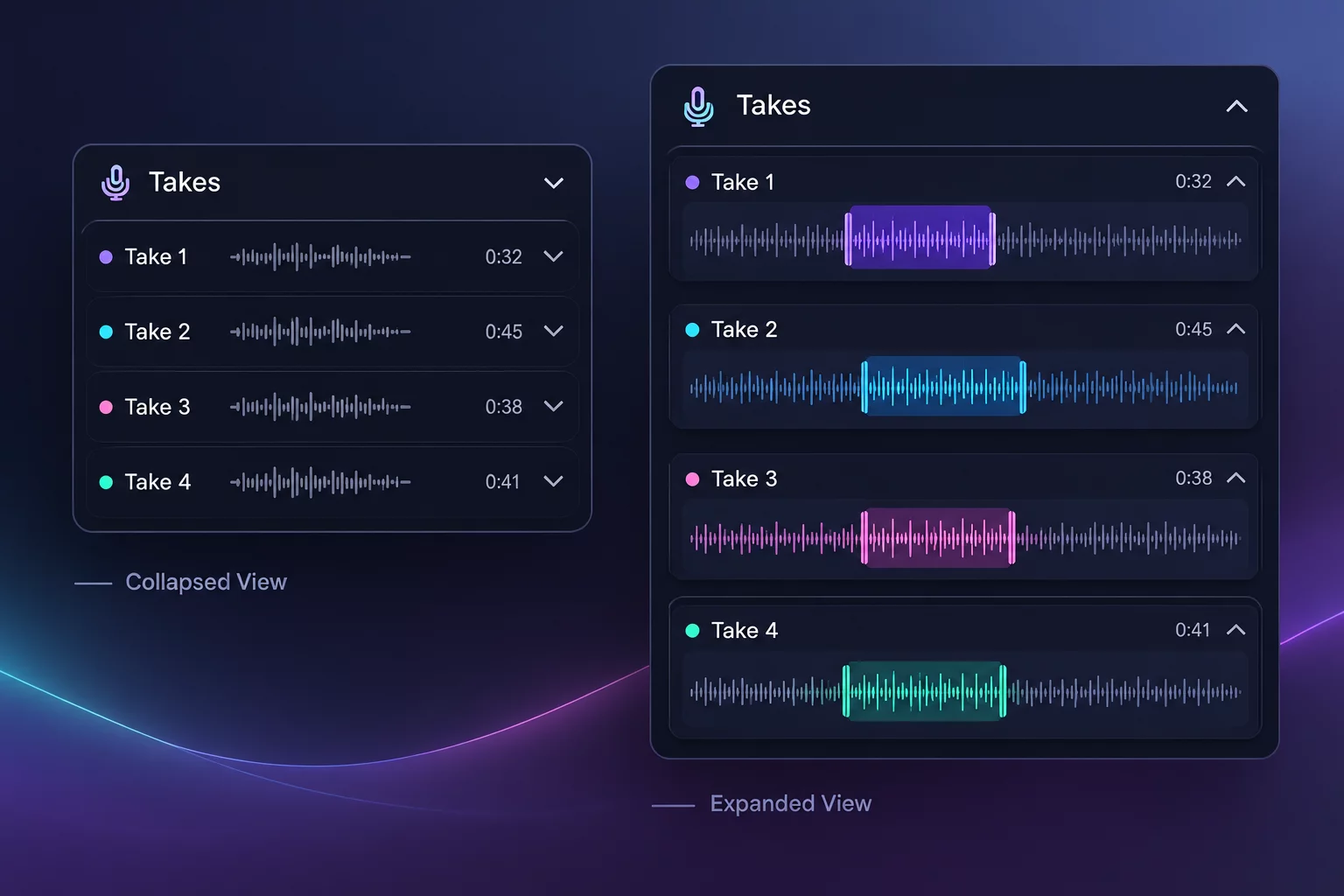
Analysis of redesigned take folder architectures, zero-latency quick swiping crossfade behaviors, and real-time phase consistency in dense vocal stacks.
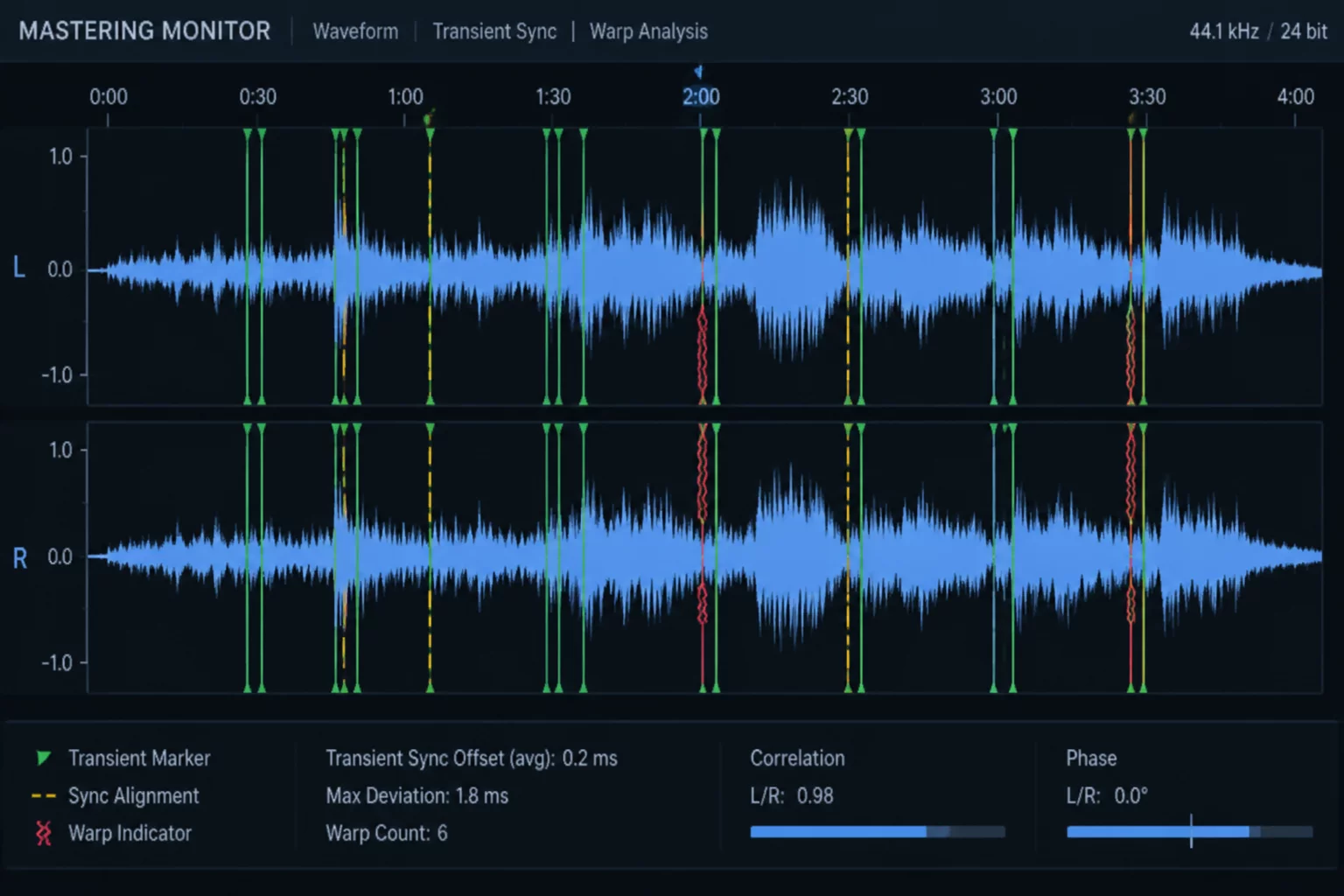
Verification of automated guide-to-dub transient sync, sibilance preservation tolerances, and pitch-matching performance on multi-take lead vocal composites.
Unindexed take libraries create friction long before final delivery. Calculate how undocumented takes, disorganized playlist stacks, and repetitive audition cycles degrade studio throughput and listener objectivity.
Metrics are derived from baseline DAW logging friction: blind crossfade re-auditions, waveform visual re-scanning, and loss of critical listening freshness during composite assembly.
Before contracting freelance tracking engineers, vocal editors, or comping specialists, verify their production discipline against strict acoustic standards. All editorial decisions must rest on observable signal fidelity rather than arbitrary scoring.
“Do you log take decisions using observable acoustic criteria instead of subjective numerical ratings?”
“How do you document discarded candidate syllables for secondary double and harmony comping?”
“Where are your edit boundaries located relative to vocal sibilance and plosive releases?”
“How do you prevent abrupt noise-floor shifts when stitching vocal phrases from different passes?”
“What edit grouping protocol do you enforce across multitrack drum kits and acoustic pairs?”
“How do you verify low-end coherence across layered takes and double-tracked instruments?”
“What naming taxonomy do you enforce on sub-playlists before consolidating composite masters?”
“Do you commit destructive pitch-shifting or time-stretching onto original source takes?”
Explore our methodology and standardized Pro Tools session playlist protocols for recording and comping documentation.
Submit your session details to receive an itemized take decision log and playlist comping audit prepared by our engineering desk.
Our senior editors analyze your tracking scope against observable acoustic criteria: breath naturalness, consonantal crispness, and phrase dynamic contour.